Why Brass Is the Ideal Material for CNC Machined Parts
Brass is one of the most versatile and cost-effective metals for CNC machining. As a copper-zinc alloy, brass combines excellent machinability with attractive mechanical and physical properties that make it suitable for an extraordinarily wide range of applications — from plumbing fittings and electrical connectors to precision instruments and decorative hardware.
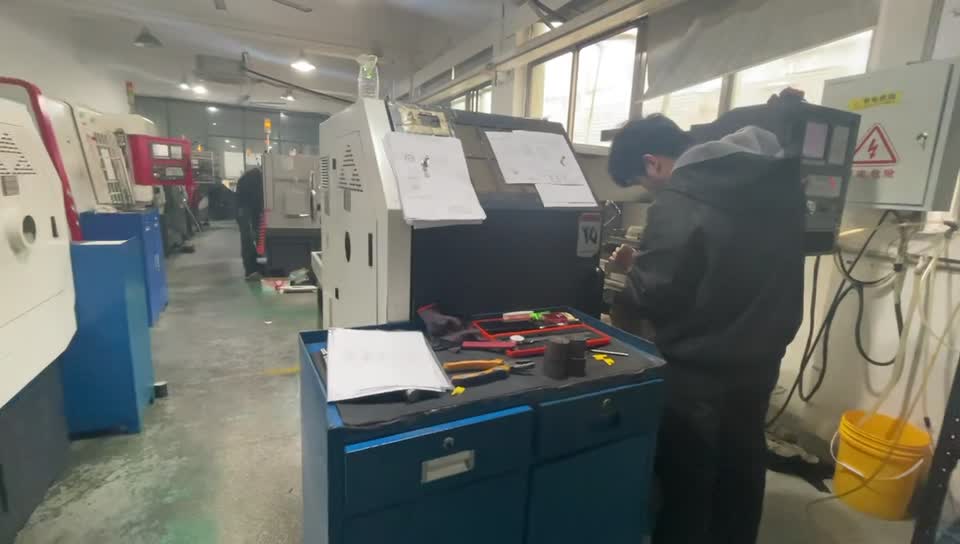
At Ningbo Saiguang 3D Technology (MouldNova), our Yuyao facility is equipped with CNC turning centers, milling machines, and Swiss-type lathes optimized for high-efficiency brass machining. We produce brass CNC machining parts ranging from simple turned bushings to complex multi-feature valve bodies, serving customers in plumbing, HVAC, electrical, automotive, and consumer product industries worldwide.
This page provides a comprehensive overview of our brass machining capabilities, the alloys we work with, the applications we serve, and the technical advantages that make brass such an outstanding choice for precision CNC machined components.
Brass Alloys We Machine: Properties and Selection Guide
Brass is not a single material — it is a family of copper-zinc alloys with widely varying properties depending on composition. Selecting the right brass alloy for your application is critical to achieving the best combination of machinability, strength, corrosion resistance, and cost. Here are the alloys we machine most frequently.
C360 — Free-Cutting Brass (The Gold Standard)
C360 (also called CDA 360 or UNS C36000) is the most widely CNC machined brass alloy in the world, and for good reason. It has a machinability rating of 100% — literally the benchmark against which all other metals and alloys are measured. When an engineer says a material has "60% machinability," they mean it machines at 60% the efficiency of C360 brass.
C360 contains approximately 61.5% copper, 35.5% zinc, and 3% lead. The lead content is the key to its extraordinary machinability. Lead is insoluble in solid brass and exists as tiny globules distributed throughout the microstructure. During cutting, these lead particles act as internal lubricants and chip breakers, causing chips to fracture cleanly into short segments rather than forming long, stringy chips that wrap around the tool and workpiece.
The result is faster cutting speeds (200-300 m/min), dramatically longer tool life, superior surface finish directly from the machine (Ra 0.4 µm without secondary finishing), and minimal burr formation. These factors combine to make C360 brass one of the least expensive metals to machine on a per-part basis, even though its raw material cost is moderate.
C360 is ideal for valve bodies, fittings, connectors, gears, lock components, and any application where machinability and cost efficiency are priorities.
C260 — Cartridge Brass
C260 (70% copper, 30% zinc) is a versatile alpha brass with excellent cold-working properties. It does not contain lead, which means its machinability is lower than C360 (approximately 30% machinability rating), but it offers superior ductility, formability, and a more uniform golden color.
C260 is named "cartridge brass" because it was historically the standard material for ammunition cartridge cases, where deep drawing capability is essential. In CNC machining, C260 is chosen when the application requires excellent corrosion resistance, an attractive gold appearance, or compliance with lead-free material requirements. Common applications include decorative hardware, architectural fittings, musical instrument components, and consumer products where the appearance of the brass surface is important.
C280 — Muntz Metal
C280 (60% copper, 40% zinc) is a dual-phase alpha-beta brass with higher strength than C260 and good corrosion resistance in marine environments. Its higher zinc content makes it less expensive than higher-copper brasses while providing a good balance of machinability and mechanical properties.
C280 is commonly used for architectural panels, condenser tubes, marine hardware, and structural components where moderate strength and corrosion resistance are required at a competitive price point. It machines well with proper tooling, though not as effortlessly as leaded C360.
C464 — Naval Brass
C464 adds approximately 0.75% tin to the basic 60/40 brass composition, which significantly improves resistance to dezincification — a form of corrosion where zinc is selectively leached from the alloy, leaving a porous, weak copper structure. This makes C464 the preferred brass for marine applications, seawater fittings, propeller shafts, and other components exposed to saltwater or aggressive environments.
Lead-Free Brass Alloys for Plumbing
Modern plumbing codes in the US (Safe Drinking Water Act), EU (4MS), and other jurisdictions restrict lead content in materials that contact drinking water to less than 0.25%. We machine lead-free brass alloys including C69300 (silicon brass) and C27450 (bismuth brass) that meet these requirements. These alloys require different cutting parameters than traditional leaded brass — lower speeds, sharper tooling, and more aggressive coolant — but we have optimized our processes to deliver comparable quality and acceptable cycle times.
The Machinability Advantage: Why Brass Saves You Money
Machinability is not just a technical specification — it directly translates to cost savings. Here is how brass's exceptional machinability reduces your per-part cost compared to other common metals.
Faster cutting speeds mean shorter cycle times. C360 brass can be turned at 200-300 m/min, compared to 100-150 m/min for mild steel, 60-100 m/min for stainless steel, and 30-60 m/min for titanium. A part that takes 2 minutes to turn in brass might take 5 minutes in stainless steel and 10 minutes in titanium. Machine time is the dominant cost factor in CNC machining, so this speed advantage is significant.
Longer tool life means fewer tool changes, less tooling expense, and more consistent quality. A carbide insert that machines 500 parts in stainless steel before replacement might machine 3,000-5,000 parts in brass. Each tool change costs 2-5 minutes of machine downtime plus the cost of the new insert.
Better surface finish as-machined means many brass parts do not require secondary finishing operations like grinding or polishing. This eliminates an entire process step, reduces lead time, and further lowers cost.
Minimal burr formation reduces or eliminates the need for manual deburring — a labor-intensive and inconsistent process that adds cost and lead time to every part.
Applications for Brass CNC Machined Parts
Plumbing and HVAC Components
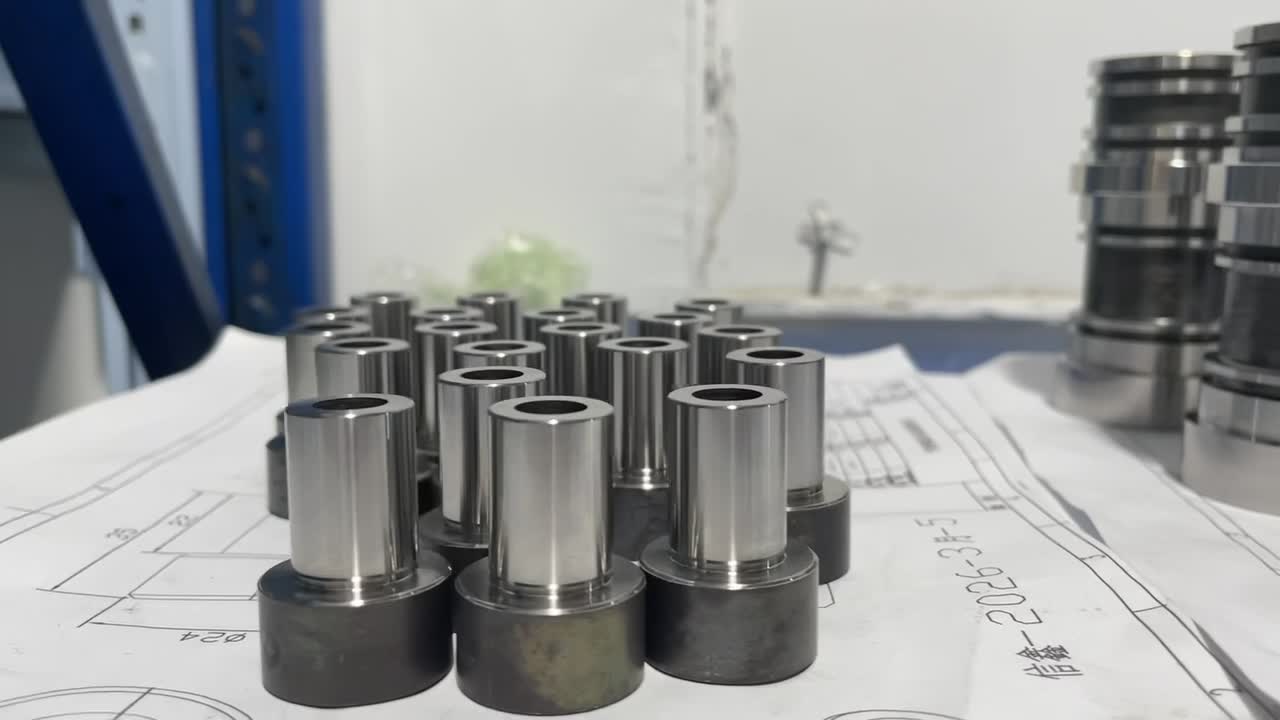
Brass is the default material for plumbing fittings, valves, and connectors worldwide. Its corrosion resistance in water systems, pressure-tight seal capability, and compatibility with soldering and brazing make it irreplaceable in this application. We machine brass plumbing components including valve bodies, ball valve cores, compression fittings, flare fittings, hose barbs, manifold blocks, mixing valve cartridges, and backflow preventer bodies.
For HVAC applications, we produce brass expansion valve bodies, distributor assemblies, service valve stems, and refrigerant fitting components. All plumbing and HVAC brass parts can be manufactured from lead-free alloys to meet current regulatory requirements.
Electrical and Electronic Connectors
Brass's excellent electrical conductivity (28% IACS for C360, compared to 100% for pure copper) combined with its superior machinability makes it the material of choice for electrical connectors, terminals, and switch components. While copper conducts electricity better, it is much more difficult to machine to tight tolerances and complex geometries.
We machine brass electrical components including terminal blocks, bus bar connectors, socket contacts, pin contacts, grounding lugs, circuit breaker components, and switchgear parts. For applications requiring higher conductivity, we can machine beryllium copper or tellurium copper as alternatives.
Decorative and Architectural Hardware
Brass has been valued for its warm golden appearance for centuries. CNC machining allows us to produce decorative brass hardware with the precision and consistency that hand crafting cannot match. Applications include door handles and knobs, cabinet pulls and hinges, light fixture components, railing fittings and balusters, furniture hardware, signage and lettering, and clock and watch components.
For decorative applications, we typically use C260 (cartridge brass) or C230 (red brass) for their richer copper tones, and offer a range of finishing options including mirror polishing, satin brushing, antiqued patina, lacquer coating, and PVD coating for scratch resistance.
Automotive and Industrial Components
Brass is widely used in automotive and industrial applications for bearings, bushings, gears, and wear components. The natural lubricity of brass (enhanced by lead content in C360) makes it an excellent bearing material against steel shafts, reducing friction and wear without requiring separate lubrication in many applications.
We machine brass automotive and industrial components including synchronizer rings, oil pump gears, thrust washers, guide bushings, pneumatic fittings, hydraulic valve spools, and gauge adapters.
Surface Finishing Options for Brass Parts
Brass accepts an exceptionally wide range of surface finishes, making it one of the most versatile metals for both functional and aesthetic applications.
As-machined: Ra 0.4 µm typical. Clean, bright finish suitable for most functional applications. Mirror polish: Ra 0.1 µm or better. Reflective, high-gloss surface for decorative and optical applications. Satin brush: Directional brushed finish that provides an attractive matte appearance while hiding fingerprints and minor scratches. Nickel plating: Electroless or electrolytic nickel provides corrosion protection, wear resistance, and a silver-colored appearance. Chrome plating: Hard chrome for wear resistance or decorative chrome for a bright, mirror-like finish. Gold plating: For high-end decorative applications and electrical contacts requiring minimum contact resistance. Lacquer coating: Clear lacquer prevents brass from tarnishing and developing a patina over time, preserving the original golden appearance. Antiqued/patina: Chemical treatment to produce an aged, darkened appearance popular in architectural and decorative applications.
Case Study: High-Volume Brass Valve Body — 15-Second Cycle Time
A US-based plumbing manufacturer needed a reliable overseas supplier for a brass ball valve body used in residential water supply systems. The valve body required machining from C360 brass bar stock, with annual volumes of approximately 200,000 units.
The Challenge
The part had a complex geometry with a through-bore, two side ports at 90 degrees, a threaded inlet and outlet (NPT threads), an internal ball seat recess with tight concentricity requirements (0.02mm TIR), and a stem bore with a keyway for the valve handle. The customer's previous supplier was producing the part with a 45-second cycle time across two machine setups (lathe + mill), with quality issues related to concentricity drift between setups.
Our Approach
We programmed the part for our Swiss-type CNC lathe equipped with live tooling (driven tools on the turret). This allowed us to complete all turning operations, cross-drilling, threading, and milling in a single setup from bar stock. Eliminating the second setup solved the concentricity problem entirely, since all features were machined relative to the same spindle axis.
By optimizing cutting parameters for C360 brass — running at 280 m/min with aggressive feed rates that the material's excellent chip-breaking characteristics allowed — we achieved a cycle time of just 15 seconds per part, including bar feed and part-off. This was a 67% reduction in cycle time compared to the customer's previous supplier.
Results
Cycle time reduced from 45 seconds to 15 seconds (67% improvement). Concentricity improved from 0.04mm TIR to 0.01mm TIR. Scrap rate decreased from 3.2% to 0.4%. Per-part cost reduced by 42%, including shipping to the US. The customer has been ordering consistently for 18 months and recently increased annual volume to 300,000 units.
Our Brass CNC Machining Capabilities
Brass vs. Other Materials: When to Choose Brass
Brass is the right choice when your application requires any combination of these characteristics: excellent machinability and cost-effective production, good corrosion resistance (especially in water systems), electrical or thermal conductivity, low friction and self-lubricating properties, attractive golden appearance, non-sparking characteristics (critical for explosive atmospheres), or antimicrobial properties (copper alloys naturally kill bacteria on contact).
Brass may not be the best choice when you need very high strength (consider steel or stainless steel), extreme corrosion resistance in chemical environments (consider stainless steel or titanium), minimum weight (consider aluminum), or operation at temperatures above 200 degrees Celsius (brass softens and loses strength at elevated temperatures).
Related Services
Our brass CNC machining capabilities are part of our broader precision manufacturing platform. Explore our complete CNC, EDM, and injection molding services for mold and part manufacturing. See our metal 3D printing service for complex geometries that benefit from additive manufacturing. Learn how our conformal cooling inserts improve injection mold performance. Contact us to discuss your brass machining project.
Frequently Asked Questions About Brass CNC Machining
What brass alloys do you CNC machine?
We machine all common brass alloys including C360 (free-cutting brass), C260 (cartridge brass), C280 (Muntz metal), C353 (high-leaded brass), C464 (naval brass), and C510 (phosphor bronze). C360 is our most frequently machined brass alloy due to its excellent machinability rating of 100%.
Why is brass considered the easiest metal to CNC machine?
Brass (particularly C360 free-cutting brass) has a machinability rating of 100% — the benchmark against which all other metals are measured. The lead content acts as a chip breaker, producing short, easily evacuated chips. Brass generates less cutting heat, causes minimal tool wear, and produces excellent surface finishes directly from the machine.
What tolerances can you hold on brass parts?
We routinely hold ±0.01mm (±0.0004 in.) on brass components. For precision instrument components and valve seats, we can achieve ±0.005mm. Brass's excellent machinability and dimensional stability make tight tolerances easier to achieve consistently compared to many other metals.
What surface finishes are available for brass parts?
Brass accepts a wide range of finishes. As-machined brass typically achieves Ra 0.4 µm. We also offer mirror polishing (Ra 0.1 µm), nickel plating, chrome plating, gold plating, lacquer coating (to prevent tarnishing), passivation, and antiqued/patina finishes for decorative applications.
Is brass CNC machining cheaper than stainless steel?
Yes, brass is typically 30-50% cheaper to machine than stainless steel. Brass can be cut at much higher speeds (200-300 m/min vs. 60-100 m/min for stainless), tools last significantly longer, and cycle times are shorter. The dramatic difference in machining efficiency makes brass parts considerably less expensive overall.
Can you machine lead-free brass for plumbing applications?
Yes. We machine lead-free brass alloys that comply with NSF/ANSI 61 and the US Safe Drinking Water Act requirements (less than 0.25% lead content). Lead-free alloys like C69300 (silicon brass) and C27450 (bismuth brass) require slightly different machining parameters, but we have optimized our processes for these materials.
What is the typical lead time for brass CNC machined parts?
Prototype brass parts ship in 5-8 business days. Production quantities of 100-1000 pieces typically require 10-18 business days. Brass is one of the fastest metals to machine, so lead times are generally shorter than for steel, stainless steel, or titanium parts of equivalent complexity.
What quantity range do you support for brass parts?
We handle everything from single prototypes to production runs of 50,000+ pieces. For high-volume brass turned parts, we use Swiss-type CNC lathes that produce complex parts in a single setup with cycle times as low as 15-30 seconds per part, making us cost-competitive even for large quantities.